
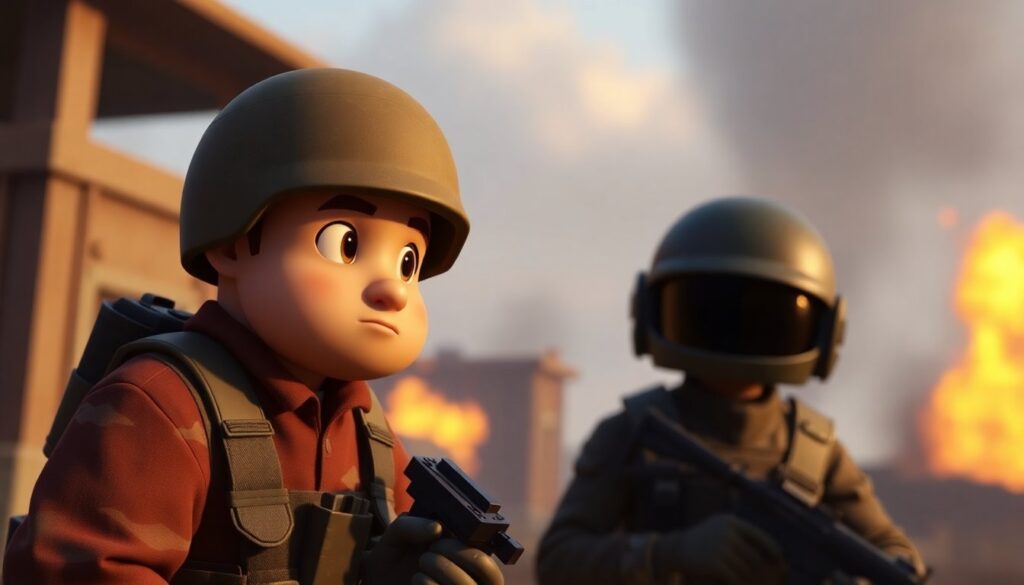
Battlefield Friends hilarious animated Keezy appears in short comedy videos. The show presents clear jokes about multiplayer games. Viewers watch for character beats and quick gags. Keezy delivers jokes with timing and expressions. Fans cite Keezy as the funniest soldier in 2026. This article explains who Keezy is and why Keezy makes players laugh.
Key Takeaways
- Battlefield Friends features Keezy, a hilarious animated soldier known for his impulsive and earnest behavior that parodies typical multiplayer player mistakes.
- Keezy’s humor is effective due to precise timing, clear character design, and a mix of confident and sheepish delivery that enhances comedic impact.
- Short episode length and simple, recognizable visuals make Keezy’s antics easily understandable and highly shareable on social media platforms.
- Keezy embodies player charm and error, becoming a cultural symbol among gamers for silly plays and loud reactions in shooter games.
- Fan engagement with Keezy includes creating memes, remixes, and spotlight clips, which broaden the character’s reach beyond the original series.
- Keezy’s relatable personality and brief emotional moments add warmth to the comedy, encouraging viewers to return for more episodes.
What Battlefield Friends Is And Who Keezy Really Is
Battlefield Friends is a short animated comedy series about online soldiers. The show uses simple sketches to parody modern shooter games. Animators place characters in familiar maps and situations. Writers base jokes on player behavior, bugs, and match outcomes. Keezy appears as a recurring soldier who acts impulsive and earnest. He speaks plainly and reacts loudly. He mistakes game mechanics and he blames teammates. Fans identify Keezy by his squinted eyes and exaggerated salute. Keezy behaves like the player who plays for fun, not for rank.
Keezy often appears in ranked matches and casual lobbies. He joins squads and he makes simple plans. His plans fail and he laughs at his own mistakes. The writing uses Keezy to show common player mistakes as comedy. Animators favor clear facial expressions and short movement cycles. Those choices make Keezy readable in a few frames. Viewers understand his intent quickly. That clarity helps the comedy land across short episodes.
Keezy’s lines use plain language and he speaks with a voice actor who adds urgency. The voice actor shortens words and adds pauses. Those pauses create space for visual gags. The show repeats Keezy traits across episodes. Repetition helps viewers form expectations. The show then breaks those expectations for surprise. Keezy gains identity through repetition and small reversals. Fans then adopt Keezy as a shorthand for a certain kind of player. They use the name to describe silly plays, bad calls, and loud reactions during real matches.
Keezy’s fan clips circulate on social platforms. Creators clip the best Keezy moments and they add captions. Those clips grow the character’s reach beyond the series. Fans then remix Keezy scenes into memes and short edits. The character becomes a cultural shorthand for player error and charm. Keezy then functions as both subject and commentary about shooter culture.
Why Keezy’s Humor Works — Timing, Delivery, And Character Design
Keezy’s humor works because the team aligns timing, delivery, and design. Animators place beats at predictable moments. Writers place punchlines after short setups. Voice actors deliver lines with precise timing. Editors cut to reactions quickly. Those choices make each joke concise and clear.
Timing in Keezy scenes follows a rule: show setup, pause, reveal. The show often shows a plan, pauses on Keezy’s confident look, then shows the fail. That structure gives viewers a moment to predict the outcome. The prediction creates tension. The reveal then releases the tension as comedy. Keezy benefits because he reacts loudly and quickly. His reaction becomes the payoff.
Delivery adds texture to the timing. The voice actor shortens sentences and adds staccato delivery at key words. Animators add micro-movements like eye darts and shoulder twitches. Editors keep scenes short so the audience does not lose attention. The combined delivery emphasizes the line and the pose. Keezy’s delivery also uses contrast. He speaks with confidence before the fail and he speaks with sheepishness after. That contrast makes the joke sharper.
Character design keeps Keezy readable. Artists give Keezy a simple silhouette and a memorable helmet. The helmet shape and a crooked grin stand out in thumbnail views. Animators avoid busy details so viewers can read Keezy on small screens. The color palette uses saturated military greens and a warm accent color on Keezy’s uniform. That accent color draws the eye to Keezy in group shots.
Keezy’s personality pairs with design. The character acts naive and sincere. That mix creates sympathy even when the action creates chaos. Viewers laugh but they also root for Keezy. Comedy that offers a small emotional stake tends to land harder. Keezy’s few vulnerabilities make viewers accept the joke without cruelty. Fans then return for more episodes because they enjoy the balance of silliness and warmth.
Keezy’s humor also benefits from tight episode length. Short episodes force the writers to refine each scene. They remove filler and keep the essential beat. The format rewards strong gags and clear character choices. Keezy fits that format because the character reads well in small, punchy scenes.
Standalone Scenes And Jokes: Memorable Keezy Moments To Rewatch
Keezy shines in standalone scenes that focus on a single gag. One memorable clip shows Keezy setting an obvious trap. Teammates ignore the trap and Keezy waits proudly. An enemy then walks into the trap and the plan fails in an unexpected way. The twist makes viewers laugh because they expected a clean payoff.
Another standout shows Keezy arguing about loadouts. He insists on an odd weapon and he defends it with bad logic. The scene cuts between his speech and the actual match result. The result proves Keezy wrong and the editors cut to his stunned face. The contrast between confidence and result drives the comedy.
A third scene shows Keezy and a friend chasing a vehicle. Keezy runs in circles and he gives loud directions. The friend presses the wrong button and the vehicle explodes. The editors time the explosion to Keezy’s shout. The timing makes the gag feel inevitable and surprising at once.
Fans also cite a quiet moment where Keezy apologizes after a friendly-fire incident. He says a short line and he looks down. The scene uses a soft musical cue and a slow camera push. That small change of pace creates a human beat in a comedy series. Viewers react with empathy and they find the scene oddly funny because it humanizes Keezy.
Viewers rewatch Keezy moments because each short clip offers a clear setup and an obvious payoff. The clips work as standalone jokes and they work in sequence inside episodes. Fans build playlists of Keezy highlights and they share them in message threads. That sharing fuels more interest in Keezy and in Battlefield Friends.
Keezy’s scenes also inspire fan edits that add new beats or alternate endings. Some fans splice music over a scene to emphasize the absurdity. Others add subtitles that reframe lines as memes. Those edits keep Keezy current and they let new viewers find the funniest moments quickly.
Overall, Keezy’s humor works because creators keep things simple and they focus on clear choices. Keezy then becomes a repeatable source of laughter for players and viewers in 2026.
More Stories
How Keezy Online Gaming Has Transformed: A 2026 Inside Look At Its Platform, Players, And Technology
Why Keno Keeps Players Hooked: The Keezy Appeal Explained (2026 Guide)
Keezy Games, Gadgets, and Gizmos Archives: Discover, Restore, and Play (2026 Guide)