
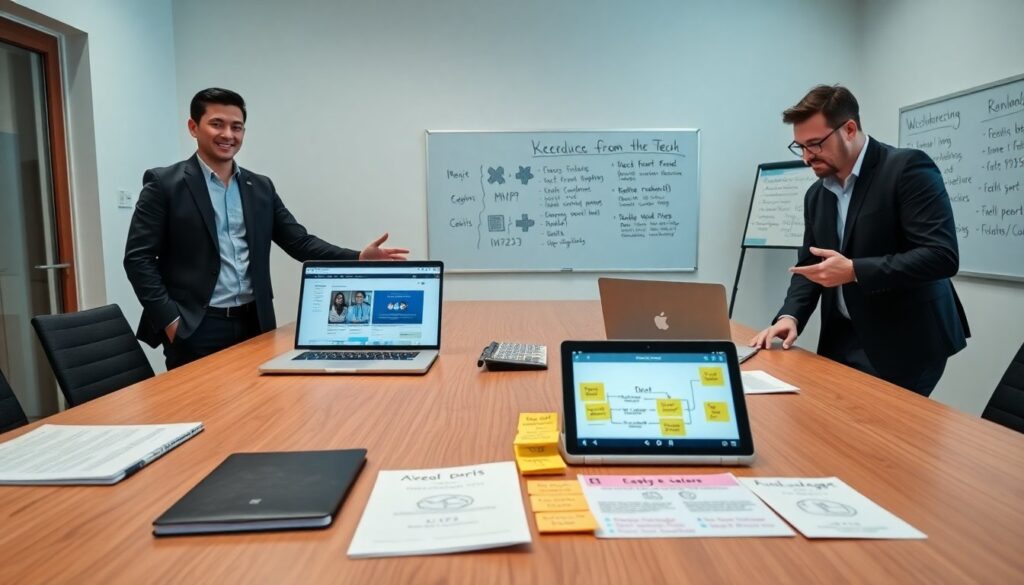
keezy.co tales from the tech opens with a clear view of the product and the people behind it. The team shares why they built the app, who they serve, and what problem they solve. The narrative sets expectations for engineering details, product changes, and user impact. Readers learn what the project aims to do and how the team measures success.
Key Takeaways
- Keezy.co focuses on simplifying content creation for indie creators, marketing teams, and educators with features like a drag-and-drop editor and realtime collaboration.
- The product evolved through key milestones such as launching an MVP in 2021, adding collaboration in 2022, and rebuilding the editor in 2024 to improve load times.
- Keezy.co uses a pragmatic tech stack including React front end, Go APIs, PostgreSQL, Redis, Kubernetes, and automated CI/CD workflows for efficient development and deployment.
- A major 2024 outage led to improved deployment safety measures, runbooks, automated rollbacks, and failure mode testing to ensure system reliability.
- User stories highlight Keezy.co’s impact in speeding up publishing, easing collaboration, and enabling customization, demonstrating real-world benefits.
- The team learned to focus on core features over complexity, use frequent small releases, document workflows, and engage users regularly to reduce churn and guide product enhancements.
What Keezy.co Is Today: Mission, Audience, And Core Features
Keezy.co tales from the tech explains the mission plainly. The company aims to simplify content creation for small teams. They target indie creators, marketing teams, and educators. The product offers a drag-and-drop editor, realtime collaboration, and export options for web and mobile. They include templates and analytics. They charge a subscription and a free tier. They measure success by user retention, time-to-publish, and feature adoption.
How The Product Evolved: Key Milestones And Design Decisions
Keezy.co tales from the tech tracks clear milestones. The team launched an MVP in 2021. They added collaboration in 2022. They rebuilt the editor in 2024 to cut load time. They moved to microservices in 2025 to scale traffic. They prioritized user feedback over speculative features. They dropped a complex permission system after low use. They simplified onboarding after analytics showed high churn in week one.
Behind The Stack: Architecture, Tooling, And Dev Workflow
Keezy.co tales from the tech describes a pragmatic stack. The front end uses a single-page React app. The back end uses Go for APIs and PostgreSQL for storage. They use Redis for cache and message queues. They run CI on GitHub Actions. They deploy to Kubernetes and use Prometheus for metrics. They run daily standups and pair when they face bugs. They aim for fast feedback and short deploy cycles.
A Memorable Engineering Tale: Outage, Fix, And What We Changed
Keezy.co tales from the tech recounts a major outage in 2024. A cache misconfiguration caused cascading timeouts. The team restored service by reverting a deployment and clearing keys. They then added safer rollout rules and preflight checks. They built runbooks and automated rollbacks. They moved critical cache data to a managed service. They now test failure modes in staging before deploys.
Real User Stories: How Customers Use Keezy.co In The Wild
Keezy.co tales from the tech shares customer stories. A small non-profit uses the editor to publish event pages quickly. A freelance marketer uses templates to launch campaigns in hours. A teacher uses collaborative drafts for class projects. Users report faster publish times and fewer formatting issues. Some users customize templates with CSS. The company documents common workflows and shares them in a public library.
Hard Lessons Learned: Mistakes, Trade-Offs, And What Worked
Keezy.co tales from the tech lists hard lessons. The team first built too many features. They learned that each feature raised maintenance cost. They chose to focus on core flows instead. They traded deep customization for predictable performance. They learned that clear defaults reduce user confusion. They found that small, frequent releases beat large, rare launches. They invested in telemetry and user interviews to guide choices.
Practical Takeaways For Founders And Engineers Building Similar Tools
Keezy.co tales from the tech offers direct takeaways. Start with a simple core and prove demand. Ship small features and measure impact. Automate tests and rollbacks to reduce risk. Keep your stack predictable and well documented. Build clear onboarding and monitor week-one churn. Talk to users weekly and fix the top three pain points first. Invest in runbooks and failure drills to speed recovery.
More Stories
Keezy.Co Tales: Make Tiny Audio Stories & Playful Soundscapes That Stick (2026 Guide)
Ke‑Ezy Co: What It Is, How It Works, And Why It Matters In 2026
Keezys.co: Complete 2026 Overview — What It Is, Who It’s For, And How To Use It