
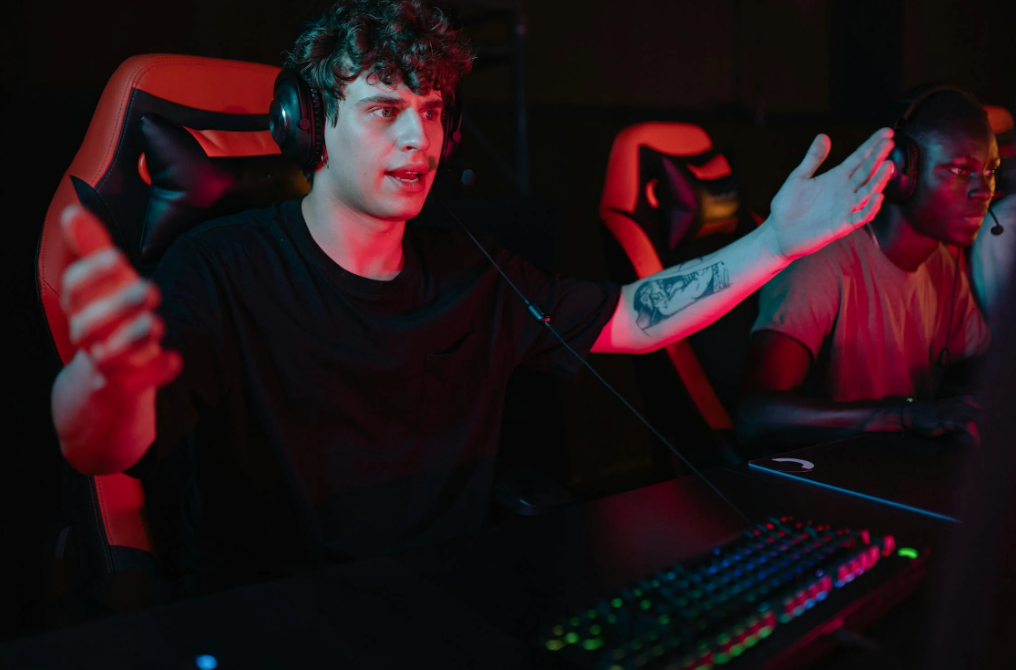
Image: Gamer wearing a headset gestures in frustration during an online match | Source: Pexels
Rage quitting in gaming is the abrupt decision to abandon a match or session in a burst of anger or frustration. A player reaches a breaking point and leaves immediately, often mid-match. While the act itself looks impulsive, it usually follows a buildup of stress caused by repeated failures, near wins, or situations that feel unfair or exhausting.
This is why some players gravitate toward short, browser-based sessions on platforms like arabiccasinos.com, where games open instantly, rounds resolve quickly, and stepping away does not feel like abandoning long-term progress.
Loss of Control Drives Rage Quitting
Players tolerate difficulty when they believe outcomes are connected to their decisions. Rage quitting becomes more likely when that connection weakens.
Facing a strong opponent can still feel fair if mistakes are understandable. Frustration escalates when players cannot tell what they did wrong or how to improve. Poor matchmaking, unclear mechanics, input delay, or inconsistent feedback reduce a player’s sense of control. When actions stop producing predictable results, anger replaces motivation.
At that stage, quitting becomes an emotional reaction to feeling powerless. Leaving the match feels like reclaiming control, even if the decision is made in frustration.
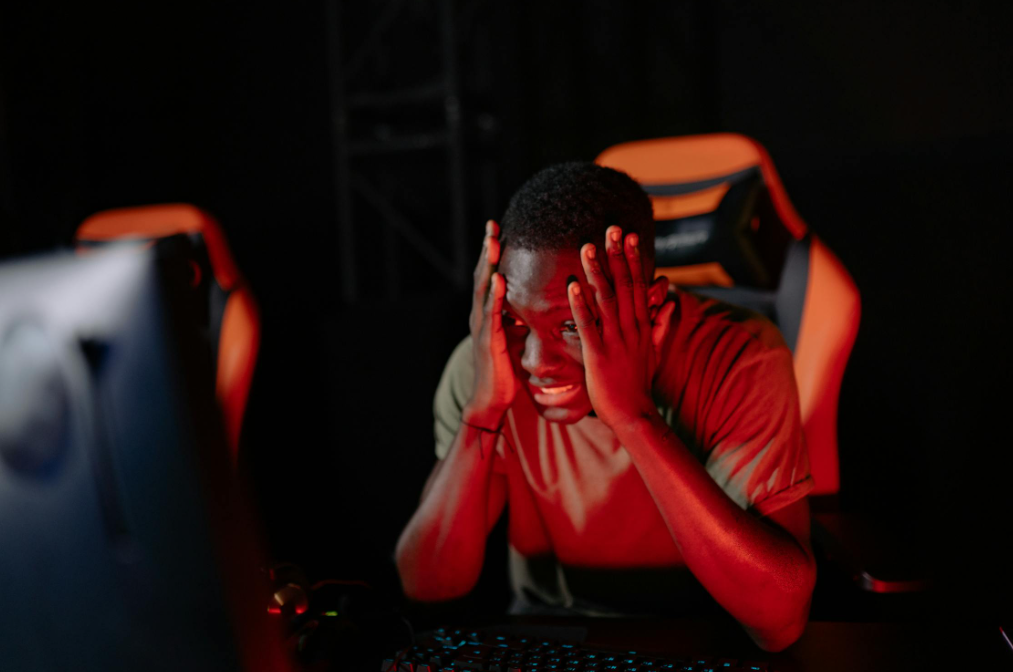
Time Loss Triggers Frustration Faster Than Losing
Time pressure builds irritation faster than skill gaps.
Waiting several minutes to enter a match that ends in a few minutes creates an imbalance. Long loading screens after a loss stretch that feeling. Forced recap animations delay recovery. Respawn timers that last longer than active play turn engagement into waiting.
Players do not calculate this consciously. They feel it as impatience. Closing the game ends the drain immediately, which explains why rage quitting often feels relieving rather than dramatic.
Ranked Modes Turn Loss Into Evaluation
Rage quitting appears more frequently in ranked modes because rankings attach numbers to performance.
Those numbers move slowly upward and drop quickly. One bad session can erase visible progress. For many players, this shifts how losses are interpreted. A bad match stops being temporary and starts feeling permanent.
Solo players feel this pressure more intensely. Without shared responsibility, every mistake feels exposed. Staying in a losing-ranked match can feel like accepting ongoing damage with no way to reduce it. Leaving early feels like limiting further decline, even when penalties exist.
Trust in the System Shapes Player Decisions
Players handle personal mistakes better than system inconsistencies.
When matchmaking repeatedly produces uneven games, players stop blaming themselves. When mechanics behave unpredictably, players stop adjusting strategy. When outcomes feel random, effort feels wasted.
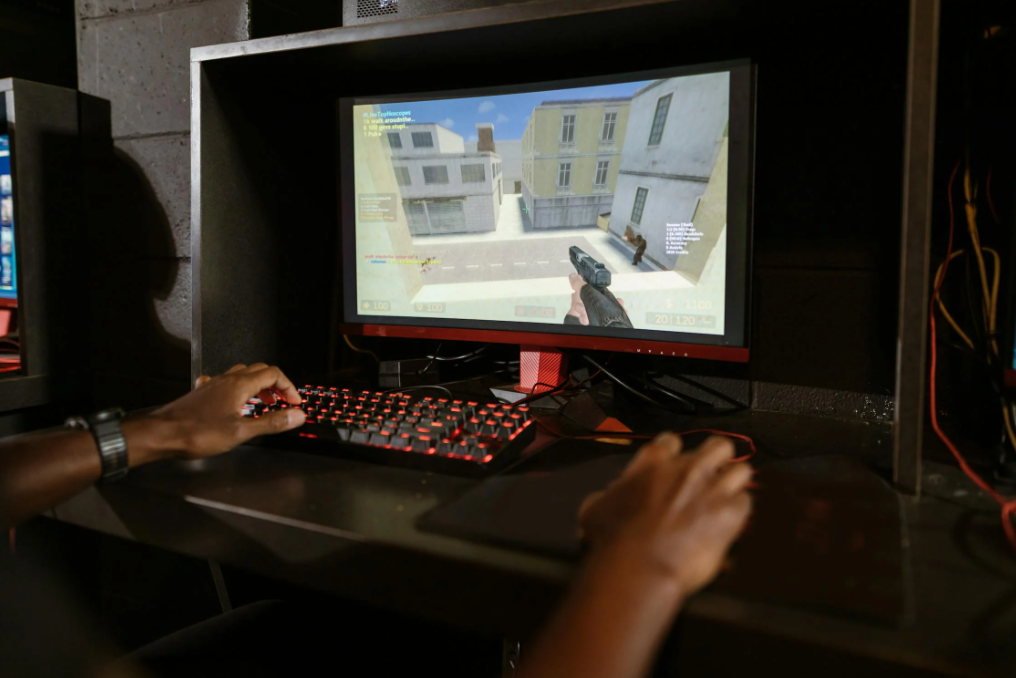
Rage Quits Usually Follow Accumulation
Most rage quits happen after several matches, not one.
A close loss affects focus in the next game. Small errors feel larger because patience is already thin. Each match adds pressure without resetting emotional state.
By the time a player quits, the final trigger often seems minor. The reaction only makes sense when viewed as the result of accumulated frustration rather than a single event.
How Games Actively Try to Reduce Rage Quitting
Modern online games rarely rely only on punishment. Many focus on reducing friction earlier.
Some allow partial progress even during losses through experience points, challenges, or currency. Others quietly adjust matchmaking after losing streaks to prevent repeated negative experiences.
Downtime is shortened deliberately. Faster respawns keep players active. Long inactive periods allow irritation to build. Clear explanations after losses help players process outcomes instead of rejecting the experience entirely.
These systems exist to keep effort feeling worthwhile.
Why Punishment Often Backfires
Leaver penalties aim to protect match quality, but they do little to address why players leave.
If a player quits because the experience feels unresponsive or unfair, punishment reinforces that perception. The game feels restrictive rather than supportive. Instead of improving behavior, penalties often reduce how often players return.
Retention improves more when recovery feels possible than when players feel trapped.
Why Some Players Rarely Rage Quit
Players who quit less often are not immune to frustration. They approach games with different expectations.
They evaluate sessions based on improvement rather than results. A lost match still provides information. Progress feels possible even when outcomes are negative. This reduces emotional spikes.
They also stop earlier. Not because of discipline, but recognition. When enjoyment drops, they step away before frustration compounds.
What Rage Quitting Signals
Rage quitting is not simply bad behavior. It is feedback.
It marks the point where time, effort, and outcome stop aligning. Developers track these exits closely because they reveal where systems fail to respect player investment.
Games that manage frustration well rarely need strict penalties. They create experiences where leaving feels unnecessary.
When effort continues to feel useful, players stay.
More Stories
How to Find Quality Gaming News in Your Free Time
A Closer Examination Of Slot Online Game Systems
The Journey Of Online Slots From Classic Machines To Online Platforms