
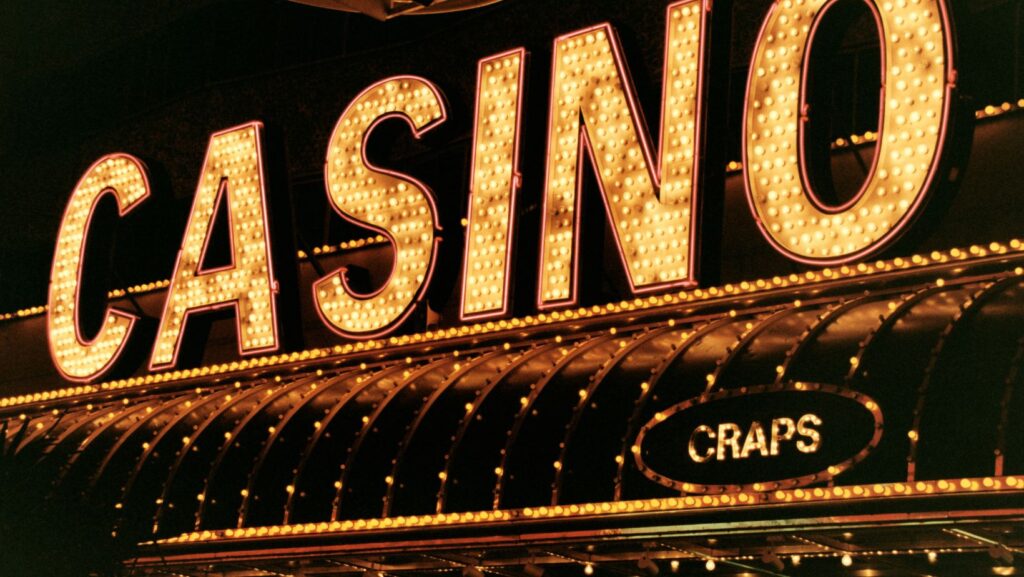
There’s a universal truth nobody wants to admit out loud: whether you’re pulling a virtual anime warrior with questionable armor physics or feeding a slot machine your last 20 euros, you’re basically chasing the same dragon. The dragon’s name? RNG — Random Number Generator — the tiny digital god who decides whether you win glory or get emotional damage.
Gacha games and real casinos might look worlds apart. One has pastel colors, cheerful jingles, and characters who call you “senpai.” The other has velvet carpets, blinking lights, and cocktail waiters who can smell your desperation from ten meters away. But underneath their costumes, they share the same addictive heart: the thrill of maybe… just maybe… hitting the big one.
So which is more addictive? Let’s take a fun, slightly too honest deep dive.
The Mechanics: Pulls vs. Jackpots
At first glance, a gacha pull seems innocent. You tap a shiny button. Confetti explodes. A character appears dramatically, possibly flipping their hair. That’s it. No harm done.
Casinos, on the other hand, are more upfront. A slot machine literally screams at you. Bells ring. The screen flashes. Everything is engineered to make you feel like a baby bird being fed dopamine through a spoon.
But mechanically? Identical twins.
A gacha pull is a slot spin wearing a cosplay wig.
Both rely on RNG deciding your fate. Both have rarity tiers that convince you happiness only exists at the 0.6% drop rate. Both strategically place “almost wins” to keep you hooked. Pulling a 4-star character that isn’t your dream one feels exactly like lining up two cherries and a lemon.
And both make you whisper the sacred phrase of regret:
“Just one more.”
Rarity Rates: The Art of Controlled Suffering
Gacha games have perfected a dark art: breaking your heart while making you smile.
Some banners give you a 0.05% chance of pulling the featured character. That’s not gambling — that’s spiritual training. These games turn you into a monk willing to sacrifice your paycheck for one shiny JPEG.
Casinos also love rarity, but at least the rules are public. You know the jackpot odds are terrible. You know the house edge exists. You know the roulette wheel doesn’t care about your birthday numbers.
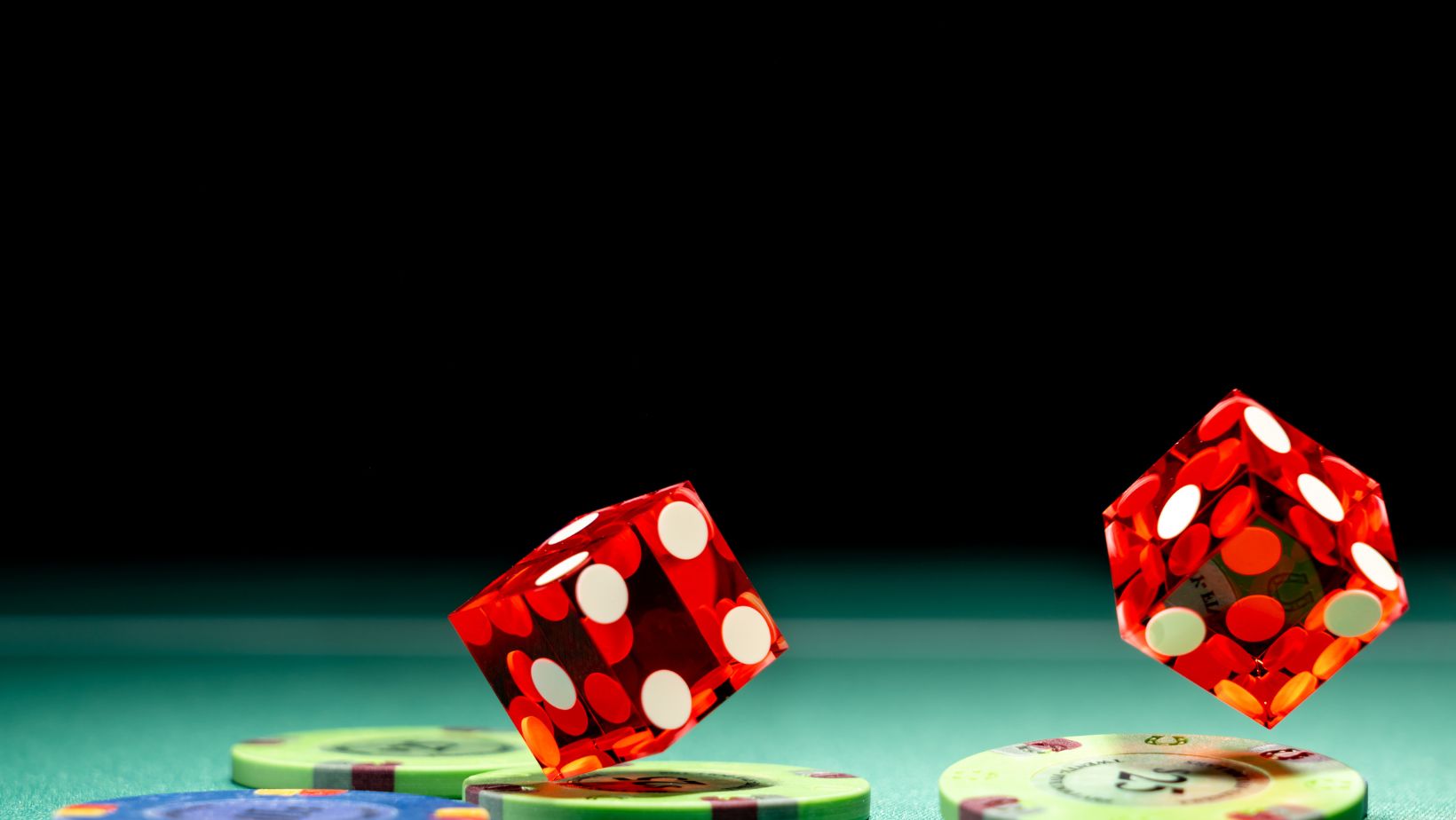
But gacha? Gacha whispers, “It’s your lucky day. Don’t be dramatic. Your waifu is waiting.”
Then gives you the same 3-star goblin for the eighth time.
Somewhere, a casino slot machine is watching this and thinking, “Wow… even I wouldn’t go that far.”
Player Psychology: The Illusion of Control
Here’s the biggest twist: gacha players often believe they’re strategizing. They craft elaborate rituals — pulling at midnight, pulling only after losing ten coin flips in a row, pulling in the bathroom because “the luck is cleaner there.”
Casino players? They’re not much better. They touch the slot machine for “warmth.” They whisper to roulette wheels. They invent patterns that defy every known law of mathematics.
At some point in life, everyone becomes a magician performing rituals to impress an algorithm.
Around the middle of the gaming universe, people also do research on how online casino games compare to mobile gachas. After all, both rely on RNG magic and dopamine. Some players even switch between gachas and online casino games on the same night — which is basically like chasing chaos with even more chaos.
Accessibility: The True Addiction Multiplier
Casinos have opening hours, travel time, and social judgment. Harder access = slower addiction.
Gacha games? They live in your phone.
Your phone lives in your hand.
Your hand lives in a constant state of temptation.
A five-minute bus ride becomes a multi-pull session. Waiting for pasta to boil? More pulls. Stuck in a meeting? Silent pulls under the table like a digital ninja.
This 24/7 accessibility is where gacha takes a dangerous lead. Casinos at least make you wear pants. Gacha requires no pants at all.
It’s the democratization of impulse spending.
Money: Who Drains You Faster?
Casinos can take your wallet for a walk and never bring it back. That’s part of the charm (or trauma). But you feel the money leaving. You hand over cash. Chips disappear. The loss is tangible.
Gacha spending is stealthy.
One microtransaction at a time.
A “small” $4.99 pack suddenly becomes a $49.99 bundle “because it’s on sale.” Then the “mega pack” appears, promising better odds, and you think, Well, I’ve already gone this far…
The spending is soft, quiet, socially acceptable — and therefore much more dangerous. A casino empties your balance with a slap. A gacha game does it with a massage.
So… Which One Is More Addictive?
If we judge purely by psychological manipulation — rarity, RNG thrill, near misses, and unpredictable reward — real casinos and gacha games are equals. Two sides of the same shiny, soul-devouring coin.
But if we add:
- Accessibility
- Low friction
- Cute characters
- Constant updates
- Endless banners
- Social pressure
- The illusion of control
- The painless spending system
…then gacha games quietly take the crown.
Casinos shout for your attention.
Gacha games slide into your pocket like,
“Hey, bestie, want a 0.1% miracle today?”
In other words:
Casinos feel addictive.
Gacha is addictive.
And that, dear reader, is why chasing a mythical 5-star anime warrior might be more dangerous than chasing a physical jackpot.
At least the casino gives you free drinks.
More Stories
Confidein: The Christian Smart Ring for Spiritual Growth
NxtLED™ vs OLED: Understanding Durability and Visibility Differences
Customer Service Explained: Processes, Channels, and Strategic Impact