
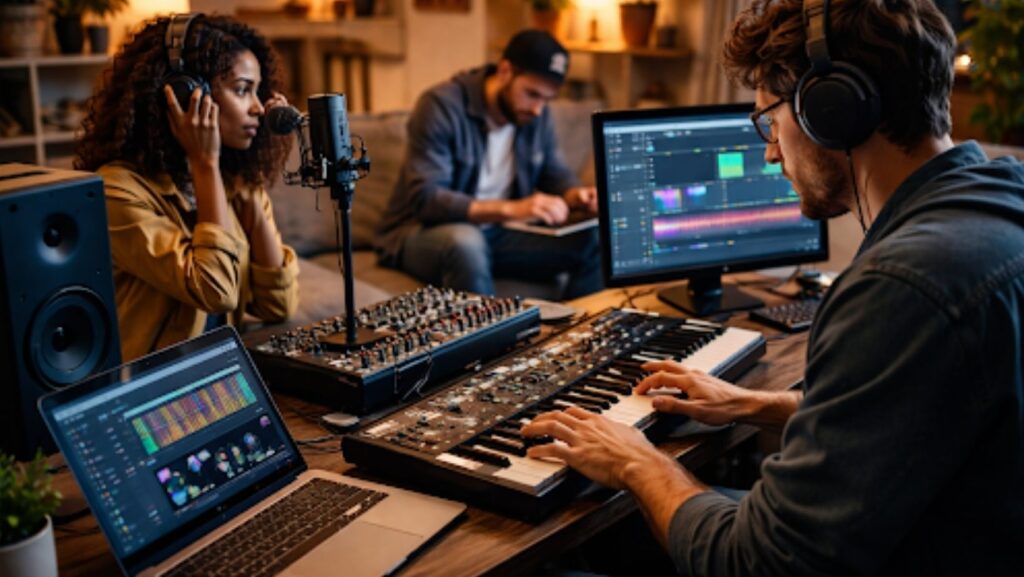
Sound has always played a central role in human expression. From spoken language and music to rhythm and ambient noise, people use sound to communicate mood, identity, and ideas. What has changed in recent years is not the importance of sound, but the accessibility of tools that allow almost anyone to create, modify, and share it. Digital technology has removed many of the traditional barriers that once limited sound creation to trained professionals or well-funded studios.
Today, people experiment with sound in bedrooms, kitchens, shared workspaces, and public transport. Some do it seriously, others casually. Many switch between listening and creating, sometimes during moments of downtime that might otherwise pass unnoticed. In the same way that people move fluidly between different online activities — whether reading articles, editing audio, or briefly visiting platforms such as slotsdj casino— sound creation now fits naturally into everyday digital routines rather than standing apart as a specialist pursuit.
From Specialist Skill To Everyday Activity
Not long ago, working with sound required technical knowledge, expensive equipment, and physical space. Recording meant microphones, mixers, and dedicated rooms. Editing demanded professional software that took time to learn. Distribution relied on labels, broadcasters, or physical media.
Digital tools changed this structure. Software simplified recording and editing. Hardware became smaller and cheaper. Online platforms allowed instant sharing. Sound creation moved from controlled environments into everyday life.
This shift turned sound into a common form of self-expression rather than a niche craft.
Lower Barriers Encourage Experimentation
One of the most important effects of digital sound tools is how they encourage trial and error. People no longer need to commit fully to learning an instrument or mastering complex systems before producing something meaningful.
Digital tools allow users to:
- Record ideas quickly
- Edit without permanent consequences
- Combine sounds freely
- Discard and revise without cost
This freedom supports creativity by reducing pressure. People experiment because the risk feels low.
Personal Identity Through Sound
Sound offers a way to express identity that differs from text or images. Voice tone, rhythm, pacing, and sound choice all carry personal markers. Digital tools amplify this by allowing people to shape sound deliberately.
Examples include:
- Podcast creators adjusting vocal tone
- Musicians blending genres that reflect personal taste
- Content creators using sound cues to match personality
These choices help people present themselves authentically without relying on visuals alone.
Everyday Devices Become Creative Instruments
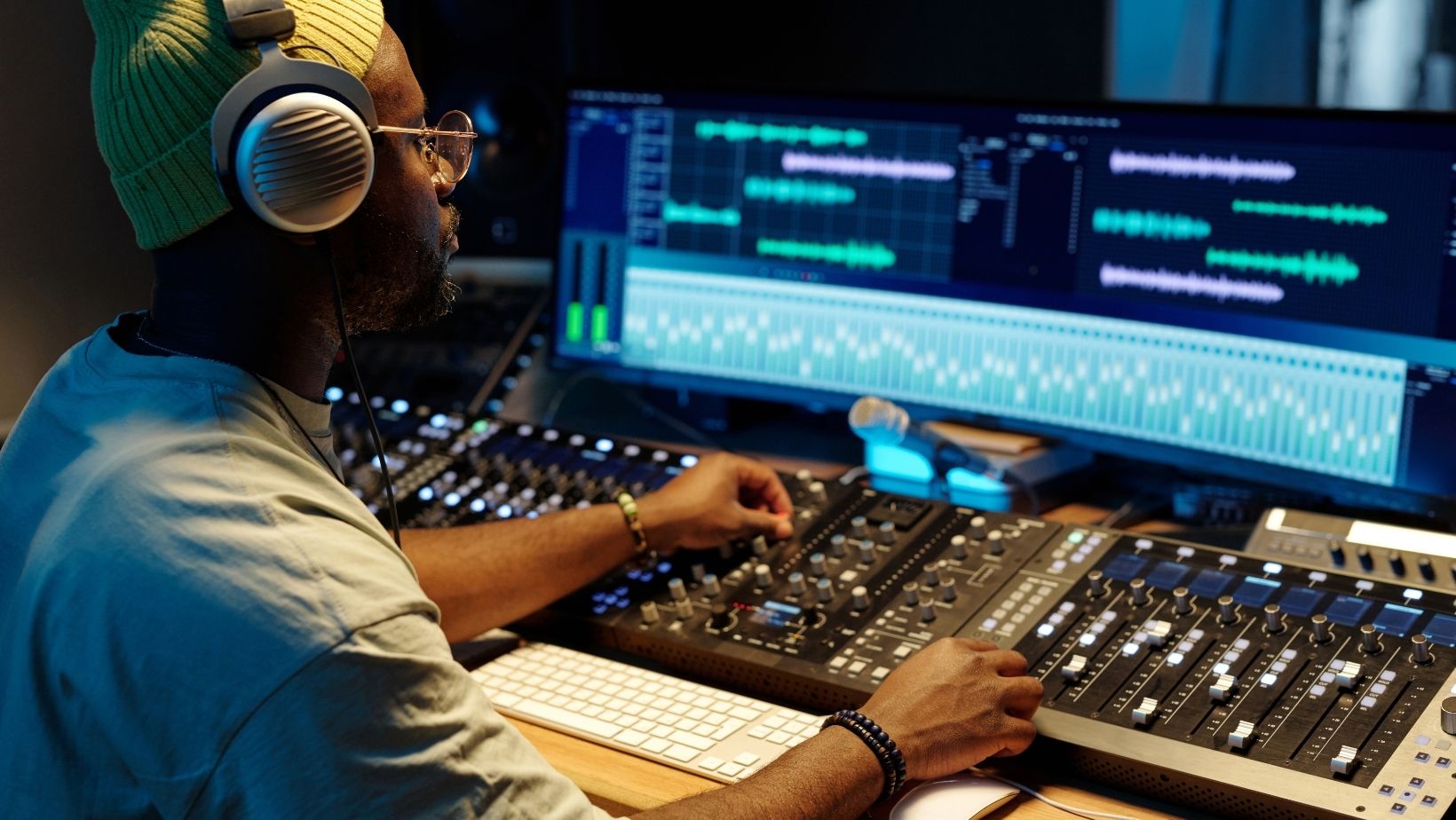
Smartphones, tablets, and laptops now function as sound tools. Built-in microphones capture voice and environment. Apps process audio instantly. Headphones double as production equipment.
This integration means sound creation fits naturally into daily routines. Someone can record a melody during a walk or edit audio during a commute.
Sound creation becomes mobile, flexible, and spontaneous.
Learning Through Doing Replaces Formal Instruction
Digital sound tools often teach users implicitly. Interfaces guide choices. Presets demonstrate possibilities. Tutorials appear when needed.
People learn by:
- Adjusting settings and hearing results
- Copying structures from existing content
- Sharing work and receiving feedback
This hands-on learning suits users who prefer practice over theory.
Community Feedback Shapes Sound Expression
Online platforms allow creators to share sound instantly. Feedback arrives quickly through comments, reactions, and discussions. This interaction shapes how people develop their sound.
Communities provide:
- Encouragement to continue
- Practical suggestions
- Exposure to new styles
Sound expression grows through dialogue rather than isolation.
Voice Gains New Prominence
Voice-based content has expanded rapidly. Podcasts, voice messages, and audio notes feel personal and direct. Digital tools enhance voice clarity, remove noise, and adjust tone without professional studios.
This accessibility encourages people who might avoid video or writing to express themselves through speech instead.
Voice becomes a primary medium for storytelling, opinion, and reflection.
Music Creation Becomes Modular
Digital music tools break music into manageable components. Users build tracks from loops, samples, and layers. This modular approach reduces technical barriers while preserving creative control.
People combine elements to reflect mood rather than mastering instruments first. Over time, some deepen skills, while others remain casual creators.
Both paths remain valid.
Sound Editing Supports Emotional Control
Editing tools allow creators to shape emotional impact. Volume, pacing, and silence all influence how sound feels. Digital interfaces make these adjustments intuitive.
Creators learn how sound affects listeners by testing variations. This feedback loop refines expression.
Sound becomes deliberate rather than accidental.
Accessibility Expands Participation
Digital sound tools support accessibility in several ways. Speech-to-text, captions, and adjustable playback speed help users with different needs engage with sound content.
At the same time, people who struggle with traditional communication find alternative ways to express themselves through audio.
This inclusivity broadens who participates in sound culture.
Informal Creativity Gains Legitimacy
Digital platforms legitimize informal sound creation. Short clips, experimental mixes, and rough recordings reach audiences without polish. Authenticity often matters more than perfection.
This acceptance reduces fear of judgment. People share earlier drafts and raw ideas.
Expression takes priority over refinement.
Collaboration Across Distance Becomes Normal
Sound tools enable collaboration without physical presence. People exchange audio files, work asynchronously, and build projects across time zones.
This flexibility supports creative partnerships that would not exist otherwise.
Sound connects people who may never meet.
Sound Blends With Other Media Forms
Digital tools allow sound to integrate easily with text, images, and video. Creators mix media depending on message and context.
Sound enhances storytelling by:
- Adding atmosphere
- Clarifying emotion
- Supporting narrative flow
This integration makes sound a core element rather than a background feature.
Sound Expression Adapts To Short Attention Spans
Modern listening habits often favor shorter formats. Digital tools support this by enabling quick edits and concise outputs.
Creators adjust structure to fit brief moments. Sound expression adapts without losing meaning.
Short does not mean shallow.
Comparing Sound Creation Before And After Digital Tools
| Aspect | Earlier | Now |
| Access | Limited | Widespread |
| Cost | High | Low |
| Learning | Formal | Experiential |
| Sharing | Restricted | Immediate |
This comparison highlights how sound moved from specialized to everyday use.
Sound As A Form Of Reflection
Many people use sound privately. Voice notes, ambient recordings, or personal mixes help process thoughts and emotions.
Digital tools make private sound creation easy. Not all expression seeks an audience.
Sound supports self-reflection as much as communication.
Professional Boundaries Blur
As tools improve, the gap between amateur and professional narrows. Quality differences remain, but access no longer defines legitimacy.
People move fluidly between casual and serious creation.
Sound expression exists on a spectrum.
Cultural Diversity Increases
Digital sound tools expose users to global influences. Samples, styles, and techniques circulate widely. People blend local traditions with global ideas.
This exchange enriches sound expression without erasing individuality.
Algorithms Influence Discovery
Discovery systems guide listeners toward certain sounds. This shapes exposure and trends. Creators adjust content based on what reaches audiences.
While this influences expression, many creators balance algorithm awareness with personal intent.
Choice remains central.
Sound Creation Fits Modern Lifestyles
Flexible schedules and remote work create irregular free time. Sound tools adapt well to these patterns. Creation happens in short bursts rather than long sessions.
This adaptability keeps sound relevant.
Challenges Remain
Despite accessibility, challenges persist. Oversaturation makes discovery difficult. Feedback can feel overwhelming. Technical options sometimes confuse beginners.
Supportive communities and clear interfaces help address these issues.
The Future Of Sound Expression
Sound tools will continue evolving. Artificial assistance may simplify editing further. Hardware will shrink. Integration with other media will deepen.
Yet the core purpose remains unchanged: people using sound to express who they are.
Why Sound Matters Now
Sound carries immediacy. It reaches listeners directly and personally. Digital tools amplify this quality by making creation accessible.
In a crowded digital space, sound offers intimacy.
Balancing Ease And Intention
While tools make sound creation easy, intention still matters. Meaning comes from choices, not features.
Creators who reflect on purpose shape stronger expression.
Conclusion
Digital tools have reshaped how people express themselves through sound by removing barriers, encouraging experimentation, and fitting creativity into everyday life. Sound creation no longer belongs only to trained specialists. It belongs to anyone with a device, an idea, and a moment to explore.
This shift does not diminish sound’s value. It expands it. As digital habits continue to evolve, sound remains a powerful way for people to communicate identity, emotion, and thought — quietly, publicly, casually, or with deep intention.
More Stories
Confidein: The Christian Smart Ring for Spiritual Growth
NxtLED™ vs OLED: Understanding Durability and Visibility Differences
Customer Service Explained: Processes, Channels, and Strategic Impact