
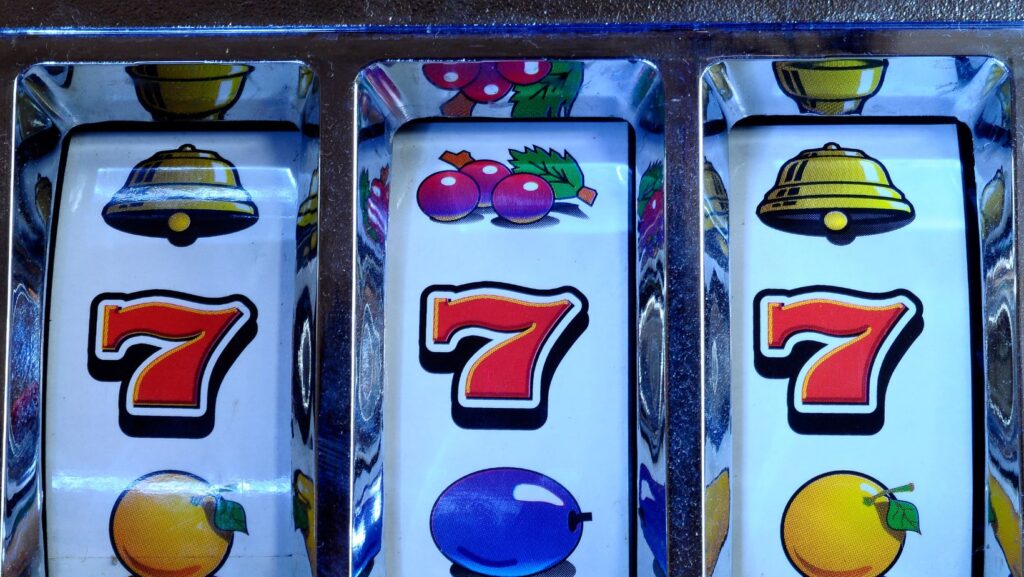
Played a new slot last month with expanding wilds, cascading reels, multiplier meters, free spin variations, bonus buy options, collection mechanics, and mystery symbols. Took me 40 spins just to understand what was happening on screen.
Lost £120 before figuring out the game. Not because I was unlucky—because I couldn’t follow which features triggered what, which symbols mattered most, or where my actual winning potential existed. The complexity itself became the obstacle.
Why Feature Overload Creates Decision Paralysis
Modern slots pack 10-15 special features into single games. Each feature has its own trigger conditions, payout mechanics, and interaction rules with other features. You’re supposed to track all of this while spinning at 3-second intervals.
Your brain can’t process that much simultaneously. So you end up playing blindly, not understanding why you won or lost on any given spin. That disconnect between action and outcome kills the entire entertainment value.
Tested this at QueenWin Online Casino with their 5,000+ game library—noticed the pattern immediately when comparing sessions on feature-heavy modern slots versus classic three-reel games, where simpler mechanics meant I actually understood every outcome and could make informed decisions about continuing play.
Had a slot with seven different wild symbol types last week. Regular wilds, expanding wilds, sticky wilds, multiplier wilds, walking wilds, stacked wilds, and mystery wilds that randomly transformed. By spin 30 I still couldn’t remember which wild did what or whether certain combinations triggered special bonuses.
The Attention Split Problem
Complex slots force you to monitor multiple elements simultaneously: the main reels, the bonus meter filling, the multiplier counter, the free spin accumulator, the random modifier that might trigger, and whatever collection mechanic runs in the background.
That split attention means you miss important moments. I’ve had bonus rounds trigger without realizing it because I was focused on a different feature. I’ve had multipliers reset without noticing because six other things were happening on screen.
Simple games let you focus on what matters: did you win, how much, and whether to continue. Complex games turn every spin into a puzzle you’re solving instead of entertainment you’re enjoying.
Learning Curves Cost Real Money
Every spin you spend figuring out game mechanics is a spin you’re not playing optimally. With complex slots, that learning period extends to 50-100 spins minimum—at £1-2 per spin, you’re investing £50-200 just to understand the game before making informed decisions about whether it’s worth continuing.
Simple slots explain themselves in 5-10 spins. You see what symbols pay, understand the bonus trigger, know the volatility pattern. Done. The remaining budget goes toward actual play instead of expensive education.
When comparing game complexity across different types, the contrast becomes obvious with something like aviãozinho bet sessions where the entire mechanic is instantly clear—one multiplier, one decision point, zero hidden features—letting players focus purely on strategy rather than spending dozens of rounds just learning what buttons do what.

When Simple Actually Wins
Played two hours on a classic three-reel slot last month. Three symbols, one payline, straightforward wins. Made £45 profit because I understood exactly what I was doing and could make strategic decisions about bet sizing and when to stop.
Played two hours on a feature-packed modern slot the next day. Lost £80 because half my attention went to tracking features instead of managing my bankroll. The “exciting features” cost me £125 compared to the “boring” classic game.
The entertainment value wasn’t higher on the complex slot—it was just more visually chaotic. The satisfaction came from the simple game where I felt in control and understood my outcomes.
What This Means for Game Selection
I now avoid slots with more than 5-6 distinct features. If the paytable explanation requires scrolling three screens to cover all mechanics, that’s too complex for enjoyable play.
Games advertising “innovative 15-feature bonus systems!” get skipped immediately. The innovation doesn’t enhance entertainment—it fragments attention and extends learning curves that cost real money.
The best slots balance enough features to stay interesting with simple enough mechanics to stay comprehensible. Three to four well-implemented features beat fifteen half-explained ones every single time.
More Stories
Most Popular Crypto Gambling Sites for Fast-Paced Casino Games and Betting
5 Most AI Tools to Plan Your Website Structure and Content
10 UK Online Casinos Offering No Deposit Free Spins