

Artificial intelligence, or AI, is no longer a thing of the future. It has quietly become part of our daily routines, often without us noticing. From using a smartphone to streaming a film, AI works behind the scenes to make life easier, faster, and more personal.
In recent years, AI has grown from a research idea into something that shapes how we live and work. It helps people save time, stay organised, and make better choices. Here’s how artificial intelligence is becoming part of everyday life in 2025.
Smarter Phones and Digital Assistants
AI is built into most modern smartphones. Voice assistants like Siri and Google Assistant can send messages and check the weather with a simple voice command. When you take a photo, AI automatically adjusts the light and focus. It also helps translate languages or recommend the fastest route home.
The more you use your phone, the more it learns about your habits. Over time, it begins to predict what you need before you even ask. This makes your device feel personal and responsive, turning technology into a helpful companion rather than just a tool.
Online Shopping Made Easier
AI is transforming online shopping. When you see product suggestions or offers that seem to match your taste, that’s AI at work. It studies your past searches and purchases to recommend items you might like.
Customer service has also improved thanks to AI chatbots. These virtual helpers can answer questions, track deliveries, and guide you through checkout in seconds. Behind the scenes, AI manages stock levels and predicts demand. This keeps prices fair and services running smoothly. Online shopping is now faster and more personal, and AI is the reason it feels effortless.
Smarter Homes and Daily Comfort
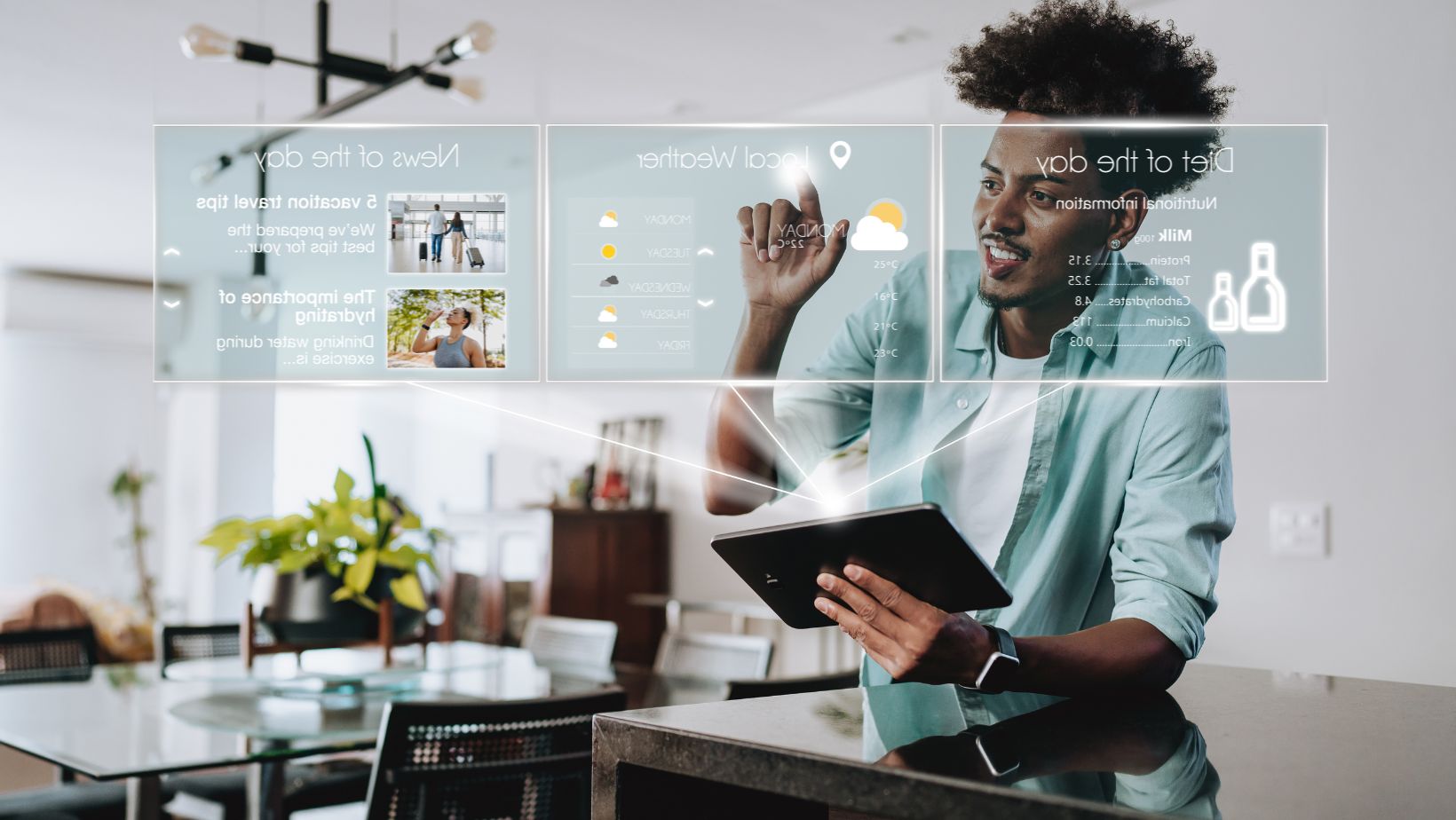
Many homes now include AI-powered devices that make everyday tasks easier. Smart speakers can play music, control lighting, or adjust the thermostat with a voice command.
AI systems learn your routine over time. For example, a smart thermostat remembers when you turn the heating on and adjusts it automatically. Some fridges can track groceries and suggest meals, while washing machines use sensors to choose the best settings.
Safer Travel and Smarter Cars
AI is improving the way people travel. Modern cars use AI systems that can help drivers park and even apply brakes automatically when needed. Some vehicles can even drive themselves under supervision, showing how far technology has come in recent years.
Navigation apps also use AI to suggest the quickest routes and avoid traffic. Public transport systems use it to plan timetables that are more effective and less prone to delays, and to keep people informed. These changes make travel safer and more efficient for everyone.
Better Entertainment and Social Media
AI plays a big part in how people enjoy entertainment. Streaming services like Netflix or Spotify use AI to recommend films, shows, or songs based on what you already like. This makes it easier to find something new without having to spend time searching.
Social media platforms also rely on AI. It filters content, removes harmful posts, and suggests pages or people you may want to follow or know in real life. While this technology still needs improvement, it helps make online spaces more relevant and safe. Video games now use AI to adjust difficulty levels or create smarter characters, keeping players challenged and entertained. AI is even used across some online entertainment categories, such as live casino, where it supports security systems and ensures smoother platform performance.
AI in Work and Education
AI is changing how people work and learn. In offices, it helps organise emails, schedule meetings, and analyse data. This saves time and lets workers focus on creative or complex tasks.
In education, AI tools make learning more personal. Online platforms can adapt lessons to match each student’s progress. Virtual tutors answer questions instantly, and teachers can more easily track class performance. It is also helping companies find the right employees by scanning applications and matching skills to job openings. It’s becoming a trusted assistant in both hiring and training.
Everyday Convenience
The most interesting thing about AI is how quietly it fits into daily life. It runs in the background, managing small details that save time and effort. It filters spam emails, suggests recipes, organises photos, and even reminds you to rest or drink water. While it doesn’t replace human thinking. Instead, it handles repetitive tasks so people can focus on what matters most. This partnership between humans and technology makes life more convenient and balanced.
Final Thoughts
As AI continues to grow, it will become even more natural and useful. The key is learning to use it wisely, keeping control while enjoying its benefits. While AI is not about replacing people, it’s about enhancing what we can do. From smartphones and smart homes to healthcare and travel, it’s quietly shaping a future that feels more efficient.
More Stories
How A Lawn Care Service Helps You Enjoy More Time Outdoors
White-label casino platforms and licensing requirements
Word Counter vs Character Counter: Which One Do You Actually Need?